Mamad LabRCSI and FutureNeuro

Restoring the gene landscape in CDD

We work out what goes wrong in the brain when the CDKL5 gene is lost, and test therapies designed to put it right.

What is CDKL5 Deficiency Disorder?

A rare neurodevelopmental condition caused by mutations in the CDKL5 gene. It mainly affects females and has severe impacts on many aspects of development.

  • Epilepsy
  • Intellectual disability
  • Movement
  • Vision
  • Sleep
  • Gastrointestinal
  • Respiratory
  • Cardiovascular

Research questions

  1. 01

    Understanding the disease

    What are the molecular, cellular, network, behavioural and systems-level impacts of CDD?

  2. 02

    Biomarkers

    Can we develop non-invasive biomarkers to understand CDD and translate them to patients for improved diagnosis?

  3. 03

    Therapeutics

    Can we develop disease-modifying treatments with fewer side effects that target multiple aspects of the disease?

Research focus

Network neuroscience

Physiology and functional performance of CDD mice, from single neurons to behaviour.

Omics

Genomics and proteomics to understand the impact of CDKL5 mutations.

Therapies

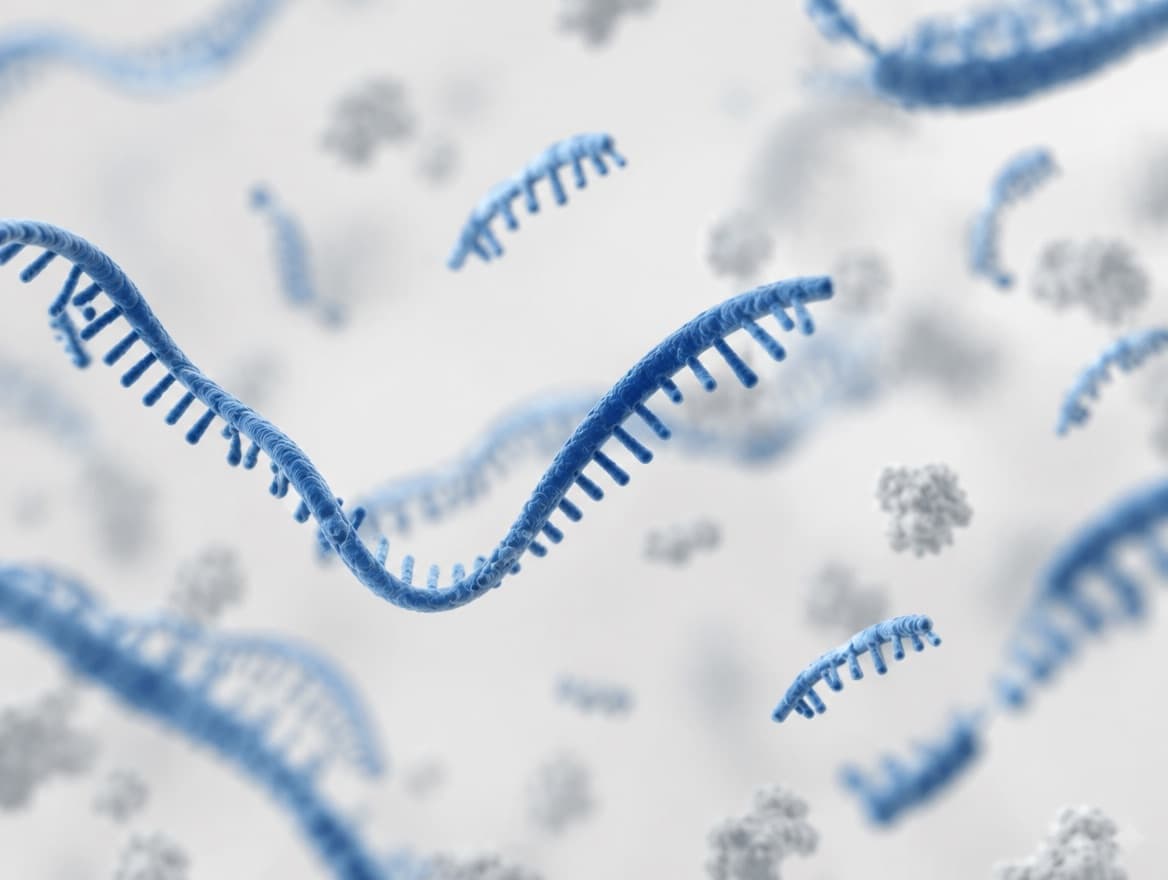
Development and in vivo testing of novel molecular therapies, including antisense oligonucleotides.

Systems

Integration of multi-omics data across brain regions and developmental time.

Collaboration

A broad network of researchers and clinicians across Ireland, Europe and the CDKL5 community.

Patient alignment

Research questions shaped with families and patient organisations, aligned with their hope of finding a cure.

Current projects

Each project is led by a member of the team and addresses CDD from a different angle, from mitochondria and RNA to sleep, movement and therapy.

Mitochondria-CDD

Mitochondrial function and metabolic dysfunction in CDD

Energy metabolism is tightly coupled to neuronal excitability and development, yet its role in CDD is largely unexplored. This project asks whether loss of CDKL5 disrupts mitochondrial function and metabolic homeostasis in the brain, with a particular focus on heterozygous female mice, which most closely model the predominantly female patient population. Findings will feed directly into the search for biomarkers and metabolic interventions.

Metabolic profiling / Proteomics / Mitochondrial assays

Erva GhaniErva GhaniProject lead, PhD Student
ASO-CDD

MicroRNA-targeting therapies for CDD

Our hypothesis is that microRNAs are dysregulated in CDKL5 Deficiency Disorder and that correcting them with antisense oligonucleotides (ASOs) could rescue observed deficits. The project builds on the group's discoveries that miR-134 inhibition reduces hyperexcitability in drug-resistant epilepsy and that miR-335-5p controls voltage-gated sodium channels. Candidate ASOs are delivered in vivo and evaluated using chronic video-EEG, behavioural testing and slice electrophysiology.

Antisense oligonucleotides / Video-EEG telemetry / Behavioural phenotyping

Jordan HigginsJordan HigginsProject lead, PhD Student
RNA dysregulation-CDD

Modelling RNA dysregulation for therapeutic and biomarker discovery

Most CDD research has focused on protein-coding genes and the direct phosphorylation targets of CDKL5. Our small RNA sequencing of the hippocampus revealed extensive bidirectional changes across microRNAs, tRNAs, piRNAs, snoRNAs and snRNAs, and validated dysregulated miR-200c-3p and miR-384-3p. This project extends that work with single-nucleus RNA sequencing and proteomics to build a cell-type resolved map of RNA dysregulation, identify circulating biomarkers and prioritise therapeutic targets.

Small RNA-seq / Single-nucleus RNA-seq / Proteomics

Samuel EganSamuel EganProject lead, PhD Student
Sleep-CDD

Sleep disturbances in the pathophysiology of CDD

Sleep-CDD is a four-year Research Ireland programme running from 2026 to 2030. We are examining the molecular and neuronal mechanisms behind sleep and circadian rhythm disruption in Cdkl5-deficient mice, how sleep fragmentation interacts with seizure burden, and whether restoring sleep architecture improves other phenotypes. The work builds on a pilot project funded by CDKL5 Ireland.

Sleep EEG/EMG scoring / Circadian activity monitoring / Pharmacology

Eve ConheadyEve ConheadyProject lead, PhD Student
Morphology-CDD

Neuron morphology and its molecular basis in CDD

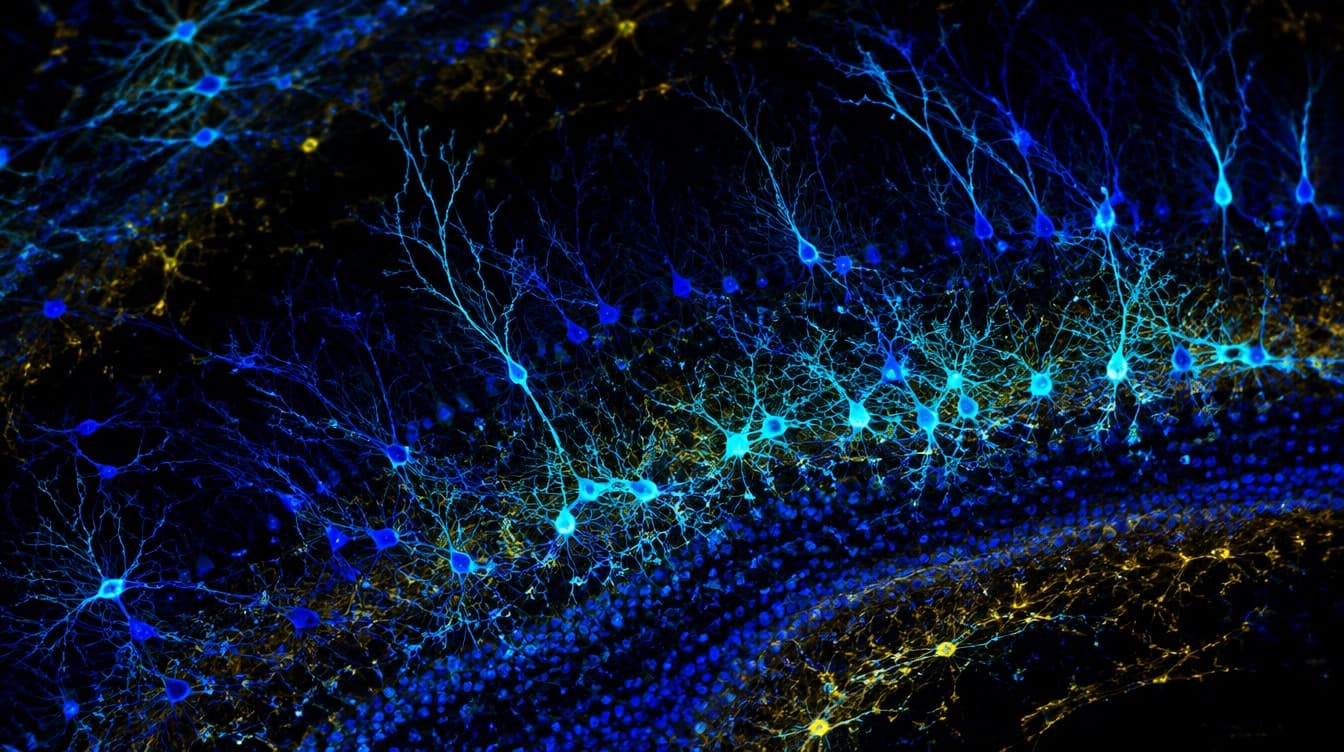
This project examines the morphology of neurons in Cdkl5-deficient mice and links structural changes to the molecular pathways disrupted by CDKL5 loss.

Neuronal morphology / Immunohistochemistry

Joe MernaghJoe MernaghProject lead, Undergraduate Student

How we answer these questions

A multi-level toolkit that runs from single cells to whole-animal behaviour and human cells.

  1. 01

    Single-cell sequencing

    Cell-type resolved transcriptomics of the CDD brain.

  2. 02

    Ex vivo electrophysiology

    Patch-clamp and field recordings in acute brain slices.

  3. 03

    In vivo electrophysiology (EEG)

    Chronic video-EEG telemetry in freely moving mice.

  4. 04

    Behavioural testing

    Motor, cognitive and sensory phenotyping with automated analysis.

  5. 05

    Therapeutic approaches (ASO)

    Antisense oligonucleotides and other molecular therapies tested in vivo.

  6. 06

    Human iPSC models

    Patient-derived neurons to translate findings from mouse to human.

Funding

Our work is made possible by national funders, patient organisations and philanthropic partners.

Research Ireland, 2026 to 2030

Sleep-CDD: Investigation of the role of sleep disturbances in the pathophysiology of CDKL5 Deficiency Disorder (CDD) and assessment of potential therapeutics

Science Foundation Ireland (SFI), 2024 to 2028

miR-CDD: Molecular mechanisms, therapeutic targets and biomarkers for CDKL5 Deficiency Disorder (CDD)

Show all funded projects (11)
  • Sleep-CDD: Investigation of the role of sleep disturbances in the pathophysiology of CDKL5 Deficiency Disorder (CDD) and assessment of potential therapeuticsRCSI, 2026 to 2030
  • Cortical Visual impairment in CDKl5 deficiency disorderPrivate Donor, 2025 to 2026
  • Therapeutic Effects of Xanthine Oxidase Manipulation: CDKL5 Deficiency DisorderTrinity College Dublin, 2025
  • Investigating sleep disorder in CDKL5 Deficiency Disorder (CDD)CDKL5 Ireland, 2024 to 2025
  • In vivo testing of CDKL5 Protein targeting CDKl5 isoform on correcting the phenotype of CDDIndustry, 2022 to 2024
  • Investigating the dysregulation of microRNA landscape in CDKL5 deficiency disorderOrphan Disease Center, Univ Pennsylvania, 2022 to 2024
  • Analysis of the microRNA landscape in CDKL5 Deficiency Disorder (CDD))CDKL5 Ireland, 2021 to 2023
  • Validate electroencephalography (EEG) activity as a biological marker of seizure activity in the Exon 6 Cdkl5 mouse modelCDKL5 UK, 2021 to 2022
  • Validate electroencephalography (EEG) activity as a biological marker of seizure activity in the Exon 6 Cdkl5 mouse modelCDKL5 - Together Towards the Cure, 2020 to 2022