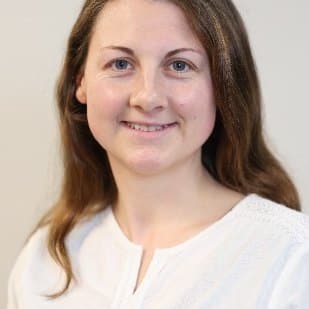
Dr Mona Heiland
Associated Researcher
Molecular neuroscientist working on microRNA biology and antisense therapies in epilepsy. Co-author on the lab's studies of miR-335-5p, miR-134 and the non-coding RNA landscape in CDD.
Neuroscientists, students and collaborators based in the Department of Physiology and Medical Physics at RCSI and at FutureNeuro.
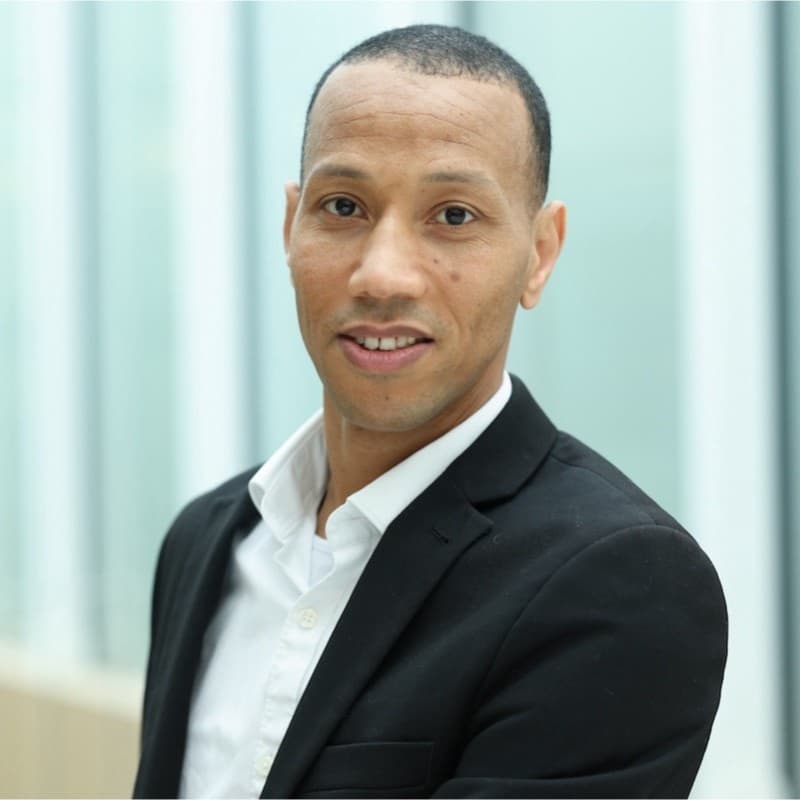
Principal Investigator. Lecturer in Physiology and Medical Physics, RCSI. Funded Investigator, FutureNeuro.
Omar Mamad is a neuroscientist at RCSI University of Medicine and Health Sciences in Dublin, where he leads a research programme on CDKL5 Deficiency Disorder funded through the Research Ireland Pathway Programme. He is a Lecturer in the Department of Physiology and Medical Physics and a Research Fellow at FutureNeuro, the Research Ireland Centre for Translational Brain Science.
Originally from Morocco, Omar completed his PhD in Neuroscience at the Institut des Maladies Neurodégénératives in Bordeaux, France, in collaboration with Université Mohammed V in Rabat, studying dopamine signalling in the basal ganglia and its role in Parkinson's disease. He then moved to Trinity College Dublin as a postdoctoral researcher, where he used in vivo electrophysiology and optogenetics in freely behaving animals to show how hippocampal place cells encode reward and aversive experience.
At RCSI he joined the group of Professor David Henshall, contributing to work on microRNA biomarkers and therapeutics in temporal lobe epilepsy and to machine-learning approaches for seizure detection. In 2024 he was awarded an SFI-IRC Pathway fellowship of over €567,000 to establish his own team focused on the molecular mechanisms of CDD. In 2026 the lab secured a further Research Ireland award to investigate sleep disturbances in CDD through 2030.
Omar works closely with the CDKL5 Alliance and with families affected by CDD, and believes that rare-disease research is one of the clearest routes to treatments that leave no patient behind.
Associated Researcher
Molecular neuroscientist working on microRNA biology and antisense therapies in epilepsy. Co-author on the lab's studies of miR-335-5p, miR-134 and the non-coding RNA landscape in CDD.
PhD Student
Leads the ASO-CDD project, testing microRNA-targeting therapies in vivo. Co-first author on the audiogenic seizure study and lead author of the VECTR-Clasp behavioural analysis framework.
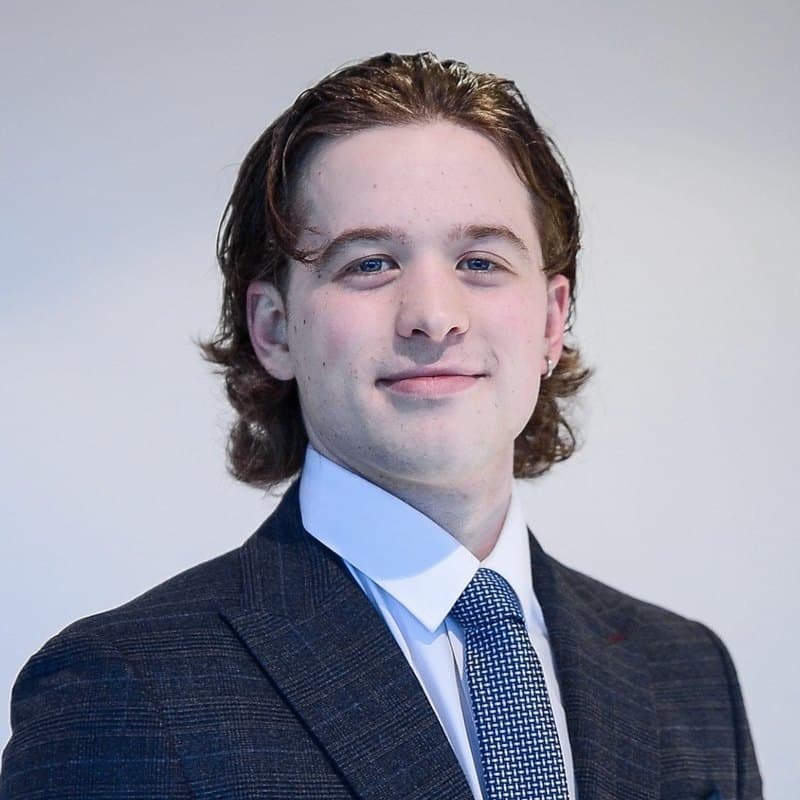
PhD Student
Leads the RNA dysregulation-CDD project, modelling transcriptomic changes for therapeutic and biomarker discovery.
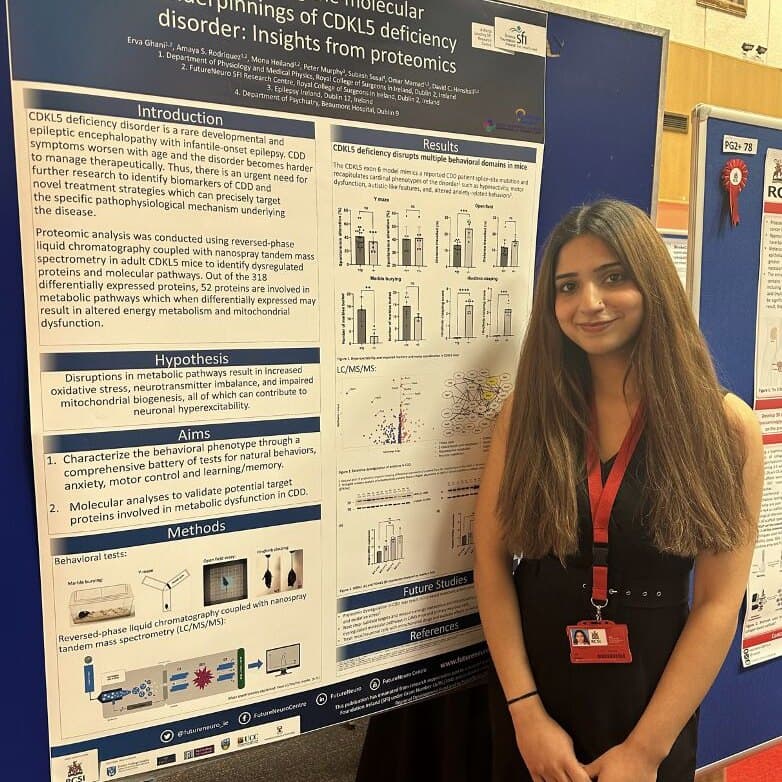
PhD Student
Leads the Mitochondria-CDD project, uncovering altered mitochondrial function and metabolic dysfunction in CDKL5 Deficiency Disorder.
PhD Student
Leads the Sleep-CDD project, investigating the role of sleep disturbances in the pathophysiology of CDD and assessing potential therapeutics.
Undergraduate Student
Examines the morphology of neurons and the underlying molecular mechanisms in CDD.
Dr Bilal El-Mansoury
Postdoctoral Researcher (2024 to 2026)
Investigated the role of microRNAs in CDD. First author of the lab's study of the short non-coding RNA landscape in the CDD hippocampus.
CDKL5 Ireland
FutureNeuro and RCSI, Dublin
Dr Morten T. Venø
Omiics and Aarhus University, Denmark
CDKL5 Alliance
International patient organisations including CDKL5 Ireland and CDKL5 UK
Loulou Foundation
Orphan Disease Center, University of Pennsylvania
Join a team at the frontier of genetic epilepsy research. Our lab combines expertise in non-coding RNA biology, in vivo electrophysiology and computational behaviour analysis to understand and ultimately treat genetic epilepsies, with a particular focus on CDKL5 deficiency disorder.